
Blog
How to Transition from Living at Home to SIL: A Step-by-Step Guide

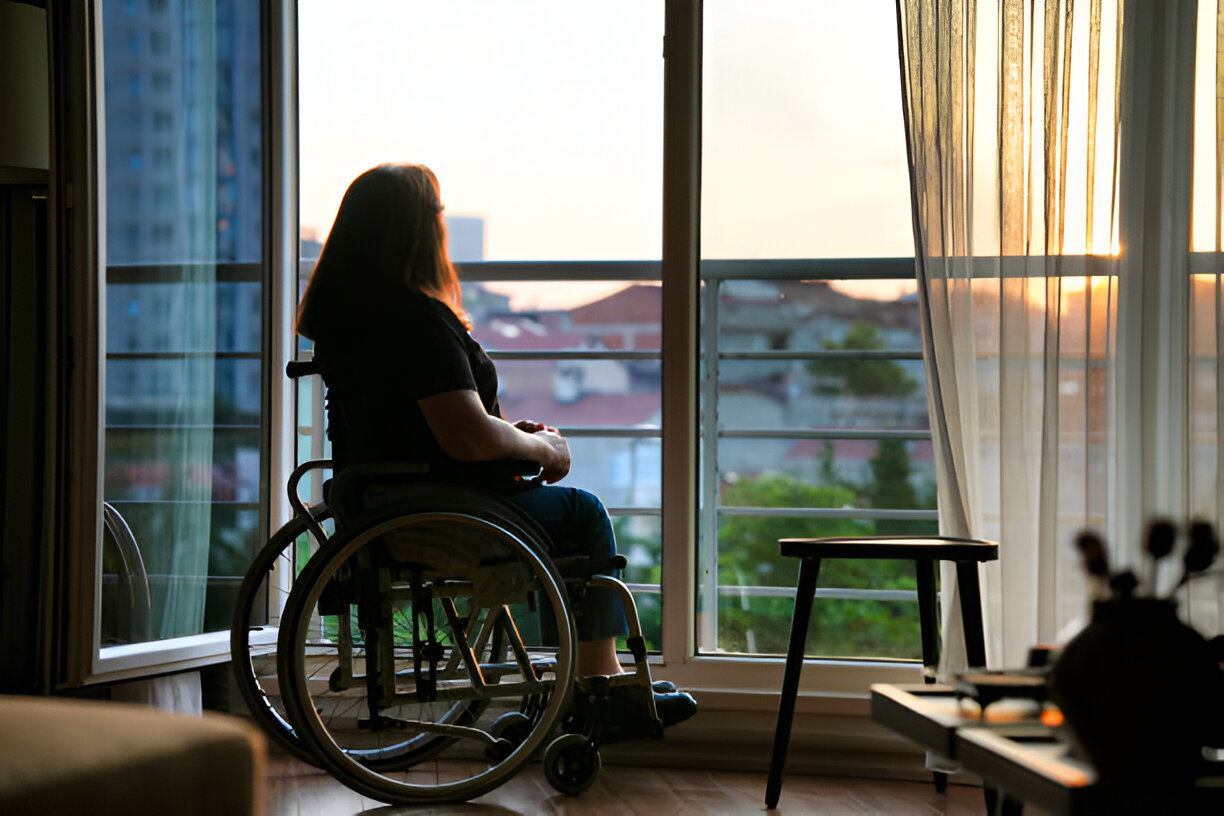
Moving out of your family home is a significant milestone. For people with disabilities considering Supported Independent Living (SIL), the transition to SIL can feel both exciting and overwhelming. You might be imagining your own space and more independence, while also feeling nervous about leaving the familiar comfort of home.
These feelings are completely normal. Whether you’re a person with disability ready for more autonomy or a family member supporting this decision, understanding each step makes the journey smoother. This guide will walk you through everything you need to know to transition to SIL with confidence.
Let’s explore how to make this important move together.
Understanding What SIL Really Means
Before diving into the transition process, it’s important to understand what you’re moving into. Supported Independent Living is NDIS support that helps you live in your home with assistance or supervision for daily tasks like personal care and cooking meals. Think of it as having the independence of your own home with the right level of support to help you thrive.
In a SIL setting, you’ll have your own space (either private or shared) with trained support workers available when you need them. This could mean help with morning routines, meal preparation, medication management, or community activities. The beauty of SIL is that it’s designed around your needs and goals, not a one-size-fits-all approach.
Here’s what matters most: moving into SIL doesn’t mean losing your connection with family. You’re not being sent away. Instead, you’re gaining independence while keeping the relationships that matter. Many people find they actually enjoy family time more because visits become quality time rather than care routines.
Want to learn more about what daily life looks like in SIL? Check out our detailed guide: Supported Independent Living Explained: Your NDIS SIL Guide.
Step 1: Assess Your Readiness for SIL
The transition to SIL starts with an honest conversation about readiness. This isn’t about being perfect at everything – it’s about recognizing when more independence would help you grow.
You might be ready if you find yourself wanting more control over daily decisions, feeling frustrated by dependence on family schedules, or expressing interest in spending more time with peers. Maybe you’ve developed some living skills and want to use them more independently. These are all positive signs.
Ask yourself these questions: Do I want to make more choices about my daily routine? Am I interested in learning new skills? Do I feel ready to have more responsibility? Can I communicate my needs to support workers? Would having trained support allow my family to focus more on being family rather than caregivers?
It’s equally important to think about emotional readiness. Feeling some anxiety is normal, but you should also feel a sense of excitement or curiosity about the change. If you’re experiencing mostly fear, that’s worth exploring with your family and support team.
This conversation should include your family. Their perspective on your growth and capabilities is valuable. Together, you can identify what support you need and what independence looks like for you.
Step 2: Get SIL Funding in Your NDIS Plan
Once you’ve decided SIL is right for you, the next step is securing funding through your NDIS plan. The first step is to attend a planning meeting with your NDIS Support Coordinator to determine whether SIL is the right support funding for your needs.
You’ll need to provide documentation that demonstrates your support needs. The most sought-after assessment is a Functional Capacity Assessment, completed by an Occupational Therapist. This assessment evaluates your abilities across daily activities and recommends the level of support you require.
Other helpful documents include medical reports from your GP or specialists, therapy assessments, and information about your current support arrangements. Don’t worry if you don’t have everything immediately. Your support coordinator can guide you on what’s needed and help arrange assessments.
The NDIS will review your application based on whether SIL will help you achieve your goals, support your social and economic participation, and represent value for money. They’ll also consider what informal supports you already have and why formal SIL is necessary.
Timeline expectations matter here. The assessment and approval process typically takes several weeks to a few months. Starting early gives you time to gather quality documentation and explore your options without rushing.
Learn more about NDIS support options: Official NDIS Supported Independent Living Information
Step 3: Find the Right SIL Provider and Home
Choosing your SIL provider and home is one of the most important decisions in your transition to SIL. This is where you’ll be living and growing, so it deserves careful consideration.
Start by researching NDIS-registered SIL providers in your area. Look for providers with positive reviews, experienced staff, and a person-centered approach. At Innovate Disability Carers, we focus on care that inspires independence, helping you build skills while respecting your choices.
Schedule tours with multiple providers. During visits, pay attention to the atmosphere. Does it feel welcoming? Are current residents engaged and happy? Can you picture yourself living there?
Ask important questions during tours: What does a typical day look like? How are support workers trained? What happens in emergencies? How do you handle conflicts between residents? What activities and community connections are available? How much choice do residents have in daily decisions?
If you’ll be in shared accommodation, compatibility with potential housemates matters. Meeting them beforehand can help everyone feel more comfortable. Consider age ranges, interests, and support needs. You don’t need to be best friends, but mutual respect and some common ground make shared living more enjoyable.
Location considerations are practical but important. Being close to family can ease the transition while staying near community connections (shops, parks, social groups) supports your independence goals.
Explore our comprehensive services: Innovate Disability Carers Services
Step 4: Prepare Emotionally and Practically
Preparation makes the transition to SIL smoother for everyone involved. This means addressing both practical logistics and emotional needs.
Have open, honest conversations with your family. Share your feelings – the excitement, the nerves, everything. Families often worry about “letting go,” but framing this as growing together rather than growing apart can help. Discuss how often you’ll visit or call and establish new routines that work for your relationship.
Trial stays or visits before your official move-in can be incredibly helpful. Spending a weekend at your new home lets you experience the routine, meet staff and residents, and identify any concerns while there’s still time to address them. These trials take mystery out of the equation and build confidence.
Practically, decide what to bring to make your space feel like home. Familiar items – photos, favorite blankets, music, decorations – create comfort in new surroundings. Ask your provider about room setup options and any restrictions (for safety or space reasons).
Set realistic expectations about the adjustment period. The first few weeks might feel strange or uncomfortable. This is completely normal. You’re learning new routines, building relationships with support workers, and adapting to a different living situation. Give yourself permission to feel homesick or uncertain while also staying open to positive experiences.
Remember, adjustment takes time. Most people need several weeks to feel truly settled. Be patient with yourself.
Step 5: Plan Your Move-In Day
Moving day is a big deal, so having a plan reduces stress for everyone involved. Keep logistics simple and focus on making the day positive rather than perfect.
Choose a moving day when family members can be present for support. Having familiar faces around provides comfort during the transition. Coordinate with your SIL provider about timing – avoid rushing, but also don’t drag it out unnecessarily.
When you arrive, you’ll likely meet your support team formally and get oriented to your new home. Your provider should walk you through emergency procedures, house rules, meal times, and daily routines. Don’t hesitate to ask questions or request clarification.
First week expectations should be realistic. You might feel excited, exhausted, homesick, or all of the above. Support workers understand this transition period and will check in frequently. Family can usually visit or call regularly during this time to provide reassurance.
Some providers arrange a “welcome” activity or meal to help you feel included immediately. This can ease social anxiety and start building connections with housemates.
Step 6: Settle In and Build Your New Routine
The first month is about finding your rhythm. Give yourself time to adjust while actively engaging with your new environment and support team.
Building relationships with support workers is key to feeling comfortable. Share your preferences, routines, and goals with them. Good support workers will learn your communication style, understand your needs, and respect your independence. These relationships take time to develop, so be patient.
If you’re in shared accommodation, getting to know housemates happens gradually. Shared meals, activities, or quiet time in common areas create natural opportunities for connection. You don’t need to force friendships, but small gestures like saying good morning or offering to help can create a positive household atmosphere.
Maintaining family connections remains important. Regular calls, visits, or outings help everyone adjust to new dynamics. You might find these interactions feel more special because they’re intentional rather than obligatory.
Setting independence goals keeps you moving forward. Work with your support team to identify skills you want to develop – maybe cooking a new dish, managing your medication independently, or using public transport. Small achievements build confidence and create momentum.
Compare different NDIS support options: NDIS Support Options Compared: In-Home, SIL, SDA, SLES, Day Programs
Common Concerns About Transitioning to SIL
Let’s address some fears that many people have about making this move:
“Will I lose my connection with family?” No. Many families report that relationships actually improve after the transition to SIL. When family members aren’t providing constant care, they can focus on being parents, siblings, or children rather than caregivers. Quality time becomes more intentional and enjoyable. You’ll still see your family regularly – you’re just adding independence to those relationships.
“What if I don’t like it?” SIL placements aren’t prison sentences. If something isn’t working, you have options. Start by communicating concerns with your support coordinator and provider. Many issues can be resolved through adjustments to support plans or routines. If a particular placement truly isn’t right, you can explore other providers or arrangements. Your NDIS plan is designed to be flexible and responsive to your needs.
“Can I change my mind?” Yes, though it depends on timing and circumstances. Before moving in, you can absolutely change your mind. After moving in, if you’re genuinely unhappy, work with your support coordinator to explore alternatives. However, give yourself a fair adjustment period (at least a few weeks) before making major decisions based on initial discomfort.
“Will I have privacy and independence?” SIL helps you live as independently as possible while building your skills. Quality SIL providers respect your privacy and autonomy. You’ll have your own space, make choices about your daily routine, and receive support that enables rather than controls. Support workers are there to assist with what you need, not to dictate your life.
Discover the benefits: 5 Core Benefits of Choosing SDA or SIL Accommodation Under the NDIS
How IDC Supports Your Transition
At Innovate Disability Carers, we understand that the transition to SIL is about more than just logistics – it’s a life change. Our person-centered approach means we take time to understand your unique needs, preferences, and goals before, during, and after your move.
We offer comprehensive transition support including pre-move visits, gradual adjustment periods, and ongoing check-ins with participants and families. Our experienced support workers are trained to help you build independence at your own pace while providing the reassurance you need during this significant change.
Our core message is simple: care that inspires independence. We’re here to support your journey toward the life you envision for yourself.
Ready to Take the Next Step?
Transitioning to SIL is a journey, not a single moment. It involves planning, preparation, adjustment, and growth. While the process might feel overwhelming at first, breaking it into manageable steps makes it achievable.
Remember that feeling nervous is normal and doesn’t mean you’re not ready. With the right support, preparation, and mindset, moving into Supported Independent Living can be the beginning of an exciting new chapter in your life – one where you have more control, more independence, and more opportunities to pursue your goals.
If you’re considering the transition to SIL or have questions about how Innovate Disability Carers can support you, we’re here to help. Our experienced team can guide you through every step of this journey.
Ready to explore your options? Contact Innovate Disability Carers today:
- Phone: 0499884025
- Website: Contact Us
- Email: info@Innovatehelp.com.au
Let’s work together to create the independent life you deserve.